
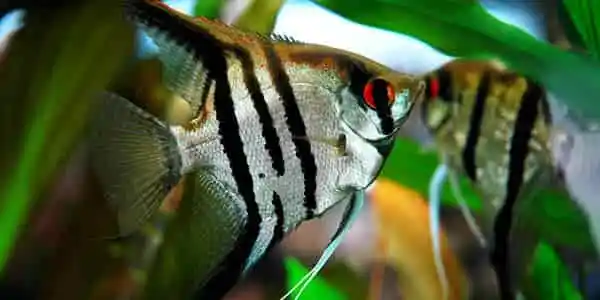
Angelfish, with their striking colors and beautiful fins, are one of the most popular freshwater fish among hobbyists. These captivating creatures add an elegant touch to any home aquarium. If you're considering adding Angelfish to your aquatic collection, this guide will provide valuable insights into their care, breeding, and requirements for a thriving environment.
Angelfish Characteristics:
Angelfish are cichlids native to the Amazon River basin in South America. They are known for their flat bodies, high dorsal fins, and prominent anal fin, which give them an angelic appearance – hence their name. Adult Angelfish can reach up to 6 inches (15 cm) in length and exhibit a range of beautiful colors, from yellow and black to red and blue.
Angelfish Care:
Providing the right care for your Angelfish is essential for maintaining a healthy and vibrant aquarium. Here are some key factors to consider:
Tank size: A minimum tank size of 20 gallons (75 liters) is recommended for one adult Angelfish. If you plan on keeping multiple fish, ensure that your tank can accommodate them comfortably.
Water conditions: Angelfish prefer slightly alkaline water with a pH between 6.8 and 7.8, a temperature of 75-82°F (24-28°C), and soft to moderately hard water (GH up to 12 dGH).
Decor: Angelfish enjoy plenty of swimming space and like to have places to explore, such as caves, driftwood, and rocks. Provide smooth surfaces for easy cleaning and avoid sharp edges that could harm their delicate fins.
Filtration: A powerful filtration system is crucial for maintaining water quality in your Angelfish tank. Be sure to choose a filter designed for the size of your aquarium and change the filter media regularly.
Feeding: Angelfish are omnivores, eating a diet consisting of both plant-based and animal-based foods. Offer a variety of high-quality pellets, flakes, frozen foods like brine shrimp, and live foods such as bloodworms or daphnia.
Angelfish Breeding:
Breeding Angelfish can be a rewarding experience for dedicated hobbyists. Here's what you need to know:
Conditioning: Before breeding, it is important to condition your fish by feeding them a nutritious diet and allowing them time to grow. Mature Angelfish are typically 4-6 inches (10-15 cm) long.
Pairing: Once the male and female have paired off, the male will build a nest in a suitable location, such as a flat piece of driftwood or a cave. The female will lay her eggs on the nest, which the male fertilizes and guards.
Incubation: The eggs hatch after approximately 60 hours, and the fry are free-swimming after about 72 hours. At this point, the parents may eat the fry if not carefully separated from them.
Raising Fry: To raise Angelfish fry successfully, provide them with small-sized food such as infusoria or microworms until they are large enough to accept brine shrimp nauplii and crushed flake food.
Conclusion:
Angelfish are undoubtedly captivating creatures that make wonderful additions to any home aquarium. By understanding their care, breeding, and requirements, you can create the perfect environment for your Angelfish and enjoy watching them thrive in their new habitat. Happy fishkeeping!